By: Abdulaziz Abeid
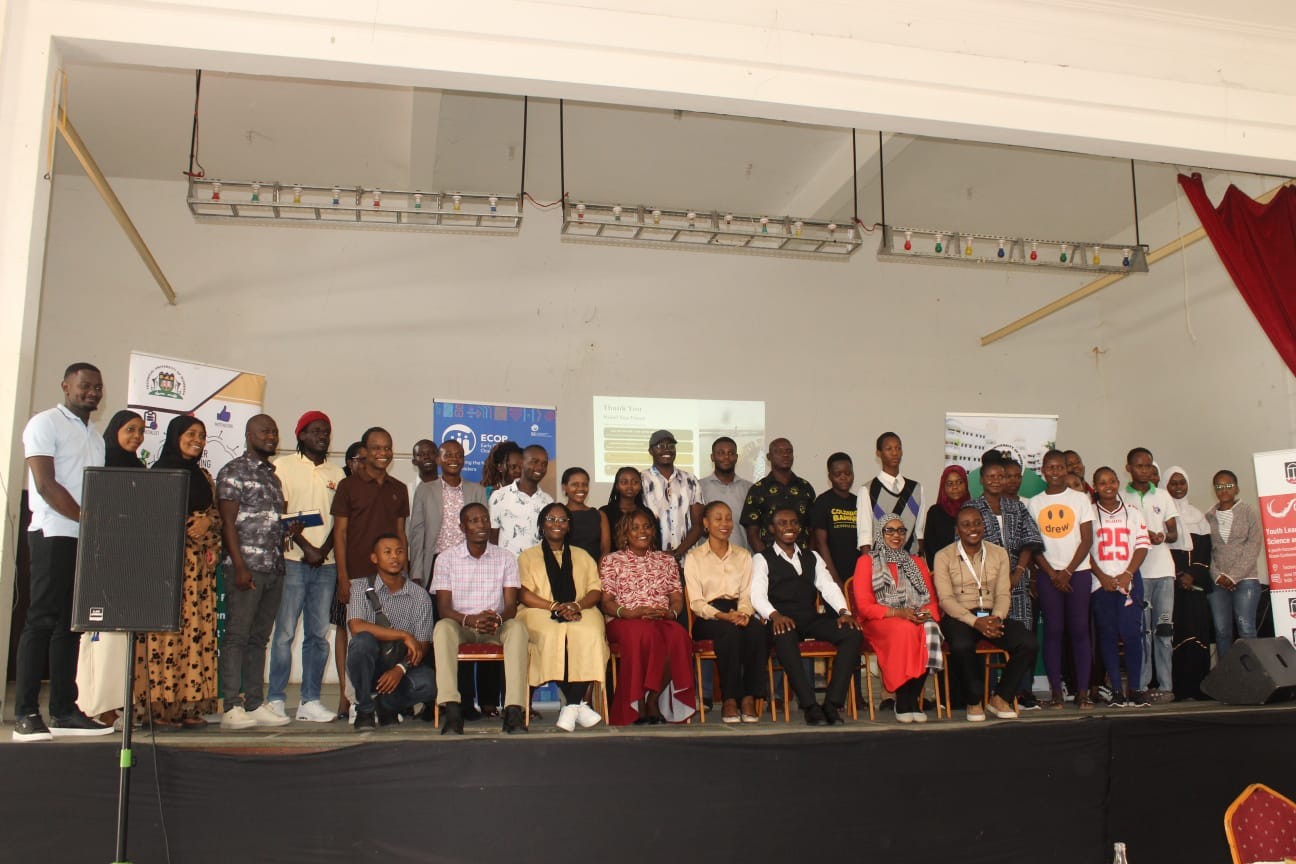
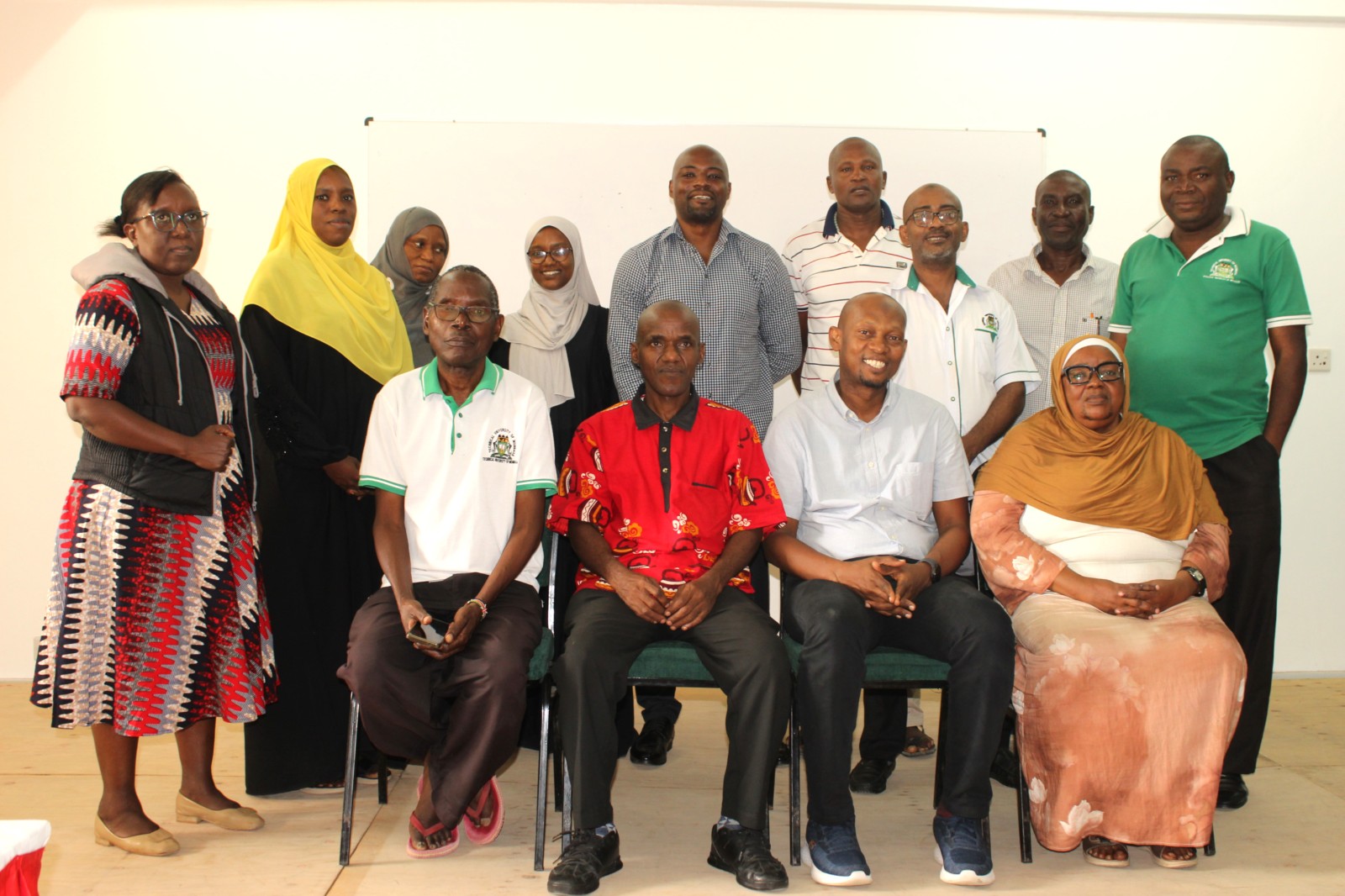
The TUM Guidance and Counselling Department continues to advance mental health awareness among staff through regular engagements across the University. In its latest session, staff from the Accommodation, Transport, Security, and Corporate Communication departments were sensitized on the importance of mental well-being in fostering a healthy, supportive, and productive work environment.
During the session, Dr Soud Alli Tengah, Head of the Guidance and Counselling Department, and Ms Kulthum Saeed, a counsellor in the department, jointly delivered a presentation highlighting the importance of mental health as a key determinant of overall well-being, employee productivity, job satisfaction, and quality of life.
Dr Soud noted that a mentally healthy workforce is essential for institutional efficiency, effective service delivery, and the achievement of organizational goals.
In recognition of June as Men's Mental Health Awareness Month, Dr Soud highlighted the unique mental health challenges facing men, noting that many continue to suffer in silence due to societal expectations, stigma, and limited awareness. He called for increased openness and dialogue around mental health issues, particularly among men, encouraging them to seek support whenever necessary.
He further expressed concern over the low uptake of mental health services, observing that a significant proportion of individuals experiencing mental health challenges often fail to seek professional assistance due to misconceptions and stigma surrounding mental illness.
Dr Soud also underscored the need to normalize help-seeking behaviour and cultivate supportive workplace environments where employees feel safe and encouraged to access mental health services without fear of stigma or judgment.
Drawing attention to the global burden of mental health disorders, Dr Soud noted that approximately one in every eight people worldwide lives with a mental health condition, while mental illnesses contribute significantly to years lived with disability.
He also underscored the urgent need for awareness and early intervention, citing suicide as one of the leading causes of death among young people aged between 15 and 29 years globally.
The session also addressed common myths surrounding mental health, particularly the misconception that professionals are immune to psychological struggles. Dr Soud dismissed the belief that enduring challenges without support is a sign of strength, emphasizing that seeking help early is an indicator of resilience.
The staff were also trained on early warning signs of stress, which include irritability, feelings of being overwhelmed, unexplained physical symptoms such as headaches and digestive issues, difficulty in decision-making, mental fatigue, and increased pessimism or cynicism.
During the interactive engagement, the staff members openly shared some of the challenges that affect their mental well-being, including financial pressures, grief and bereavement, relationship challenges, job-related demands, health concerns, life transitions, and trauma.
To address these challenges, the staff were guided on practical coping mechanisms such as relaxation techniques including meditation, deep breathing, and yoga; maintaining a balanced lifestyle through proper nutrition, regular exercise, and adequate sleep; and setting realistic, achievable goals.
Speaking on behalf of the participants, the Senior Security Officer Shee Salim Omar described the engagement as highly impactful, noting that it reinforced the importance of prioritizing mental well-being and recognizing early signs of stress in the workplace.