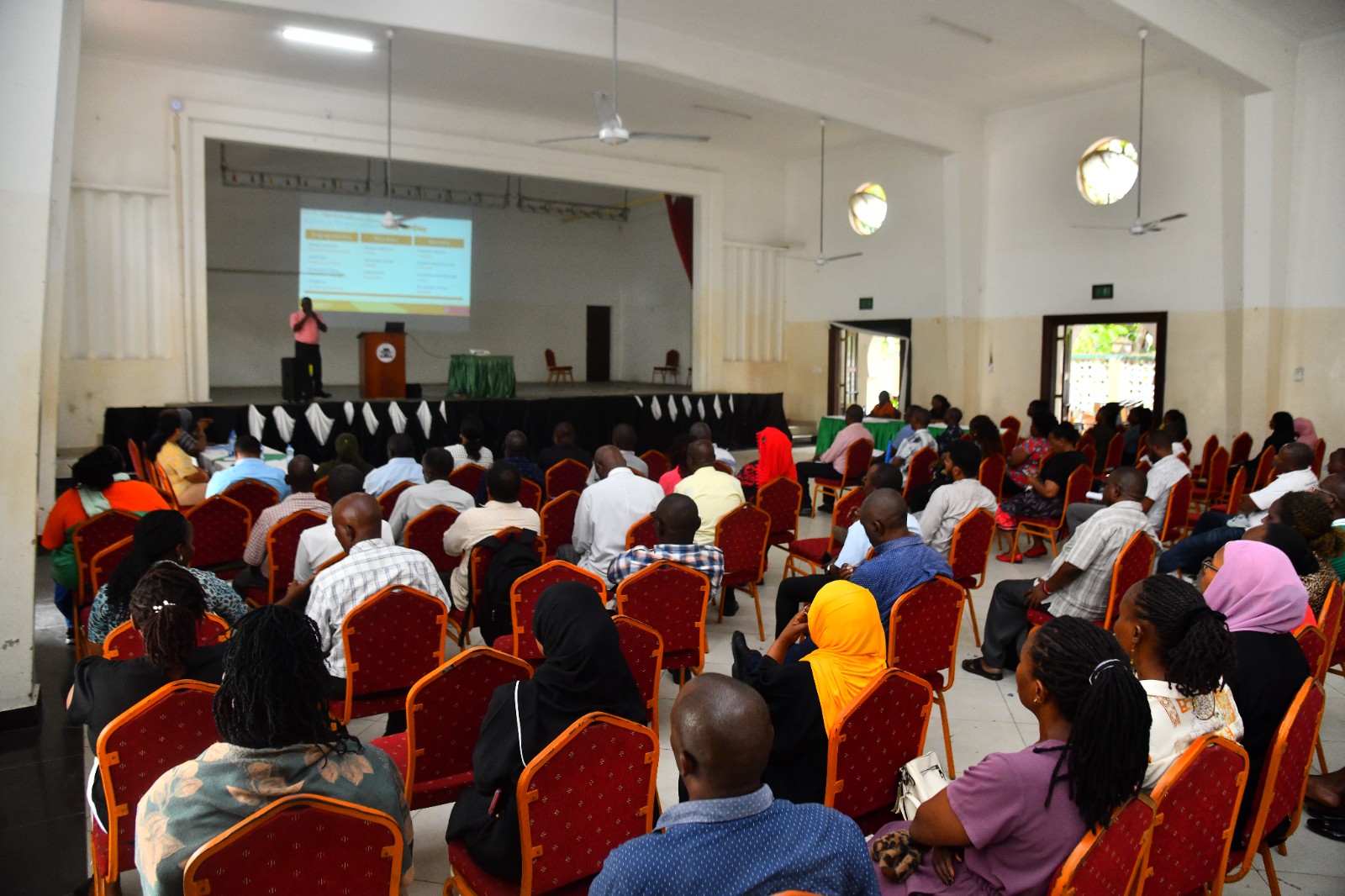
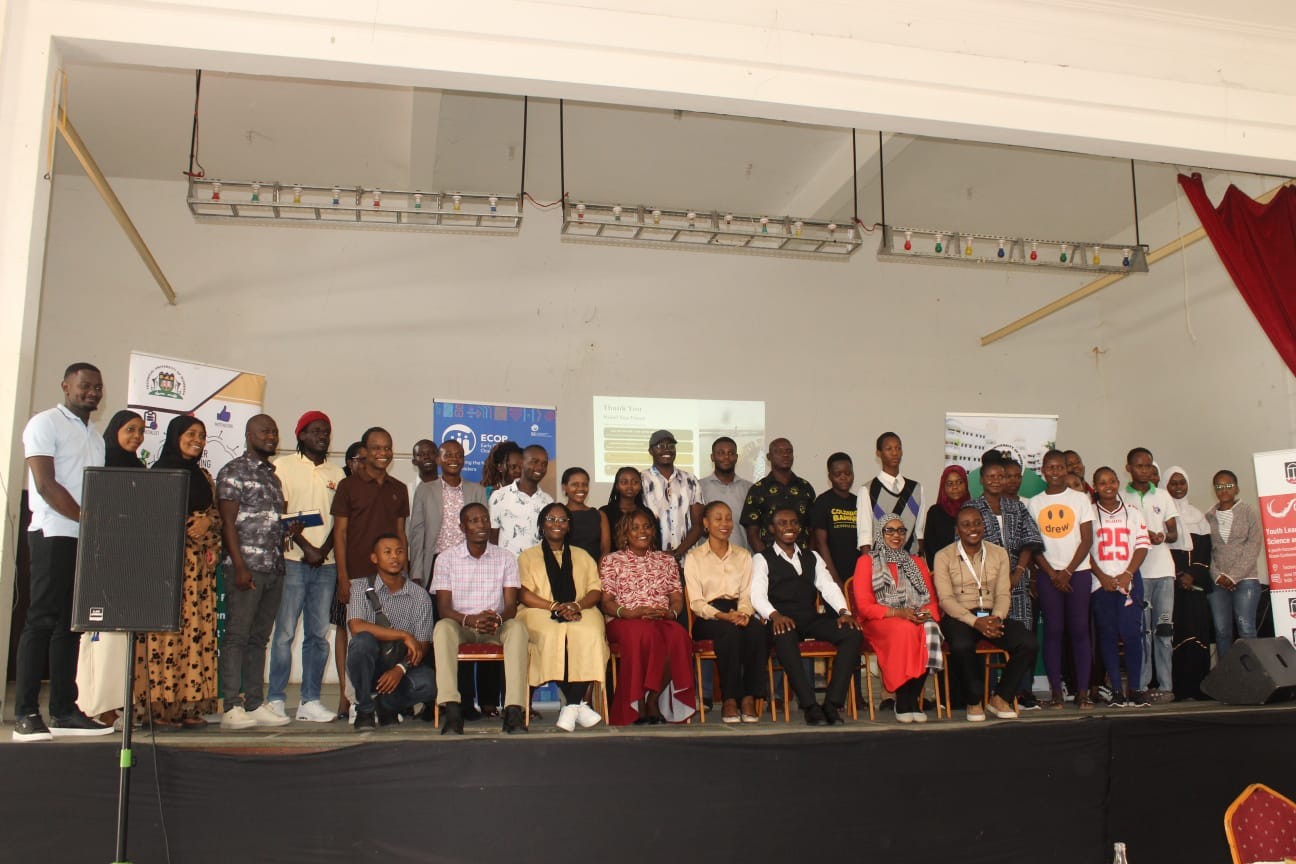
The Technical University of Mombasa (TUM), in partnership with the University of Georgia (UGA) and the Early Career Ocean Professionals (ECOP) Network, on Wednesday of June 17 2026, hosted a Youth Leadership in Ocean Science and Innovation conference that brought together students, young professionals, and ocean enthusiasts from across Mombasa County.
The participants explored how young people can drive sustainable ocean solutions and contribute to the growth of the blue economy.
The event, held at the University Hall, formed part of activities surrounding the ongoing 11th Our Ocean Conference (OOC11), a landmark global summit taking place in Mombasa under the theme “Our Ocean, Our Heritage, Our Future.”
The conference marks a historic milestone as the first-ever Our Ocean Conference to be hosted in Africa, convening world leaders, policymakers, scientists, innovators, development partners, and environmental advocates to advance ocean sustainability, strengthen climate resilience, and unlock opportunities within the blue economy.
As one of the participating institutions in the global gathering, TUM continues to reinforce its position as a leading academic institution in maritime studies and reflects its dedication to contributing knowledge and solutions that address pressing ocean challenges while unlocking opportunities within the blue economy.
Facilitated by the University of Georgia (UGA), the side event focused on three key themes of the Our Ocean Conference: youth leadership, sustainable blue economy, and marine conservation and climate resilience.
Designed as an ideas-driven platform, the session featured research presentations, innovation discussions, networking opportunities, and a Commitment Wall where participants pledged individual actions towards ocean conservation.
The programme commenced with a presentation by Christine Majeni, from the Department of Geology in the university of Georgia whose research explores compound flooding and groundwater dynamics in coastal communities.
She highlighted how the interaction between storm surges, rainfall, and groundwater can significantly amplify flood risks, creating challenges that are increasingly affecting coastal populations around the world.
Drawing lessons from coastal Georgia in the United States, she demonstrated the relevance of her findings to African coastal cities, particularly along the East African coastline, where rapid urbanization and climate change continue to heighten vulnerability to flooding.
Participants also gained valuable insights from Maruf Agbaje, from marine sciences in the University of Georgia whose doctoral research focused on carbon, methane, and nutrient cycling in river-impacted sediments.
He illustrated how lessons from the Gulf of Mexico can be applied to African coastal regions, including the Mozambique and Madagascar margins. This emphasizes the critical relationship between sediment biogeochemistry, fisheries productivity, ecosystem health, and the long-term sustainability of the blue economy across major African deltas such as the Niger, Volta, and Zambezi.
Speaking during the event, Dr. Juliana Asser, Director TUM Career Services urged participants to explore academic programmes and career pathways related to the blue economy.
She noted that the ocean sector continues to offer emerging opportunities for employment, entrepreneurship and innovation, making it one of the most promising fields for future generations.
The event also featured an introduction to the Early Career Ocean Professionals (ECOP) Network by the East Africa Sub-Regional Node Coordinator, Josphat Mokaya who highlighted ECOP’s role as a global initiative endorsed by the United Nations Decade of Ocean Science for Sustainable Development.
The Network seeks to support and empower individuals in the early stages of ocean-related careers.
Mokaya encouraged participants to actively engage in ocean science, research, innovation, and policy discussions, noting that the network provides a unique platform for mentorship, professional growth, leadership development, collaboration, and global engagement.
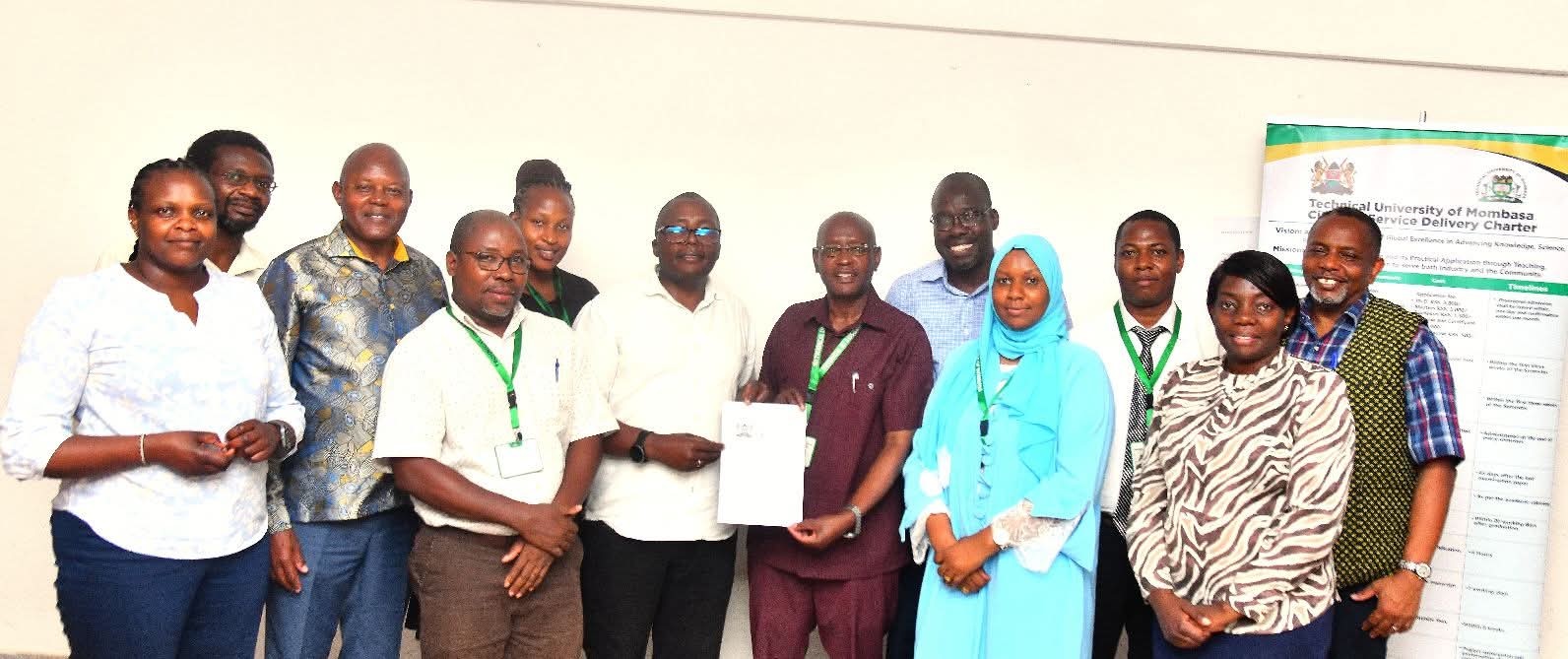
He further disclosed that ECOP is in discussions with TUM on a proposed Memorandum of Understanding (MoU) that would position the University as a focal point for ECOP activities in Kenya.
According to Mokaya, TUM's location in the coastal region and its active role in promoting the blue economy makes it an ideal partner to support the growth of early career ocean professionals across the country.