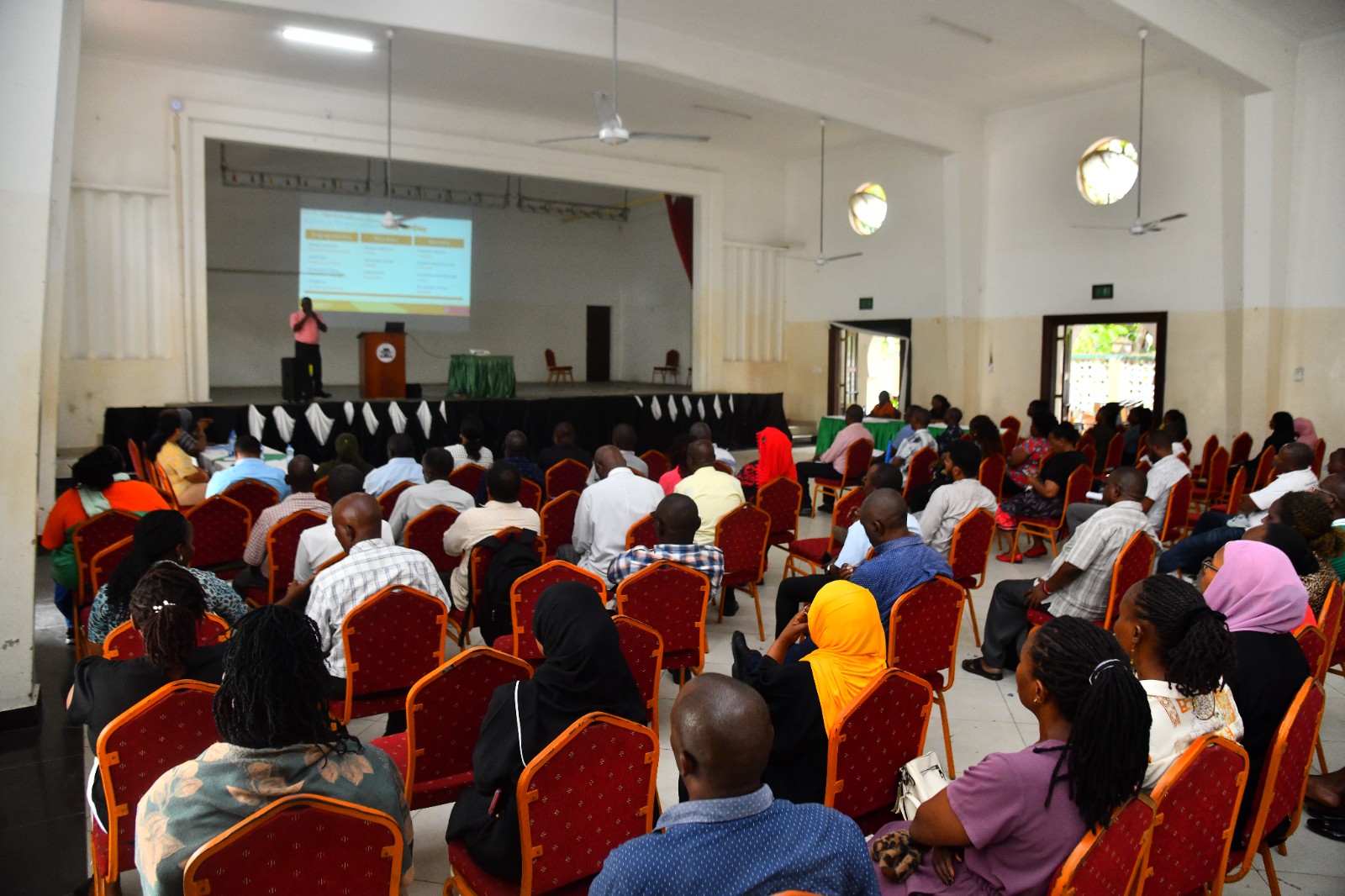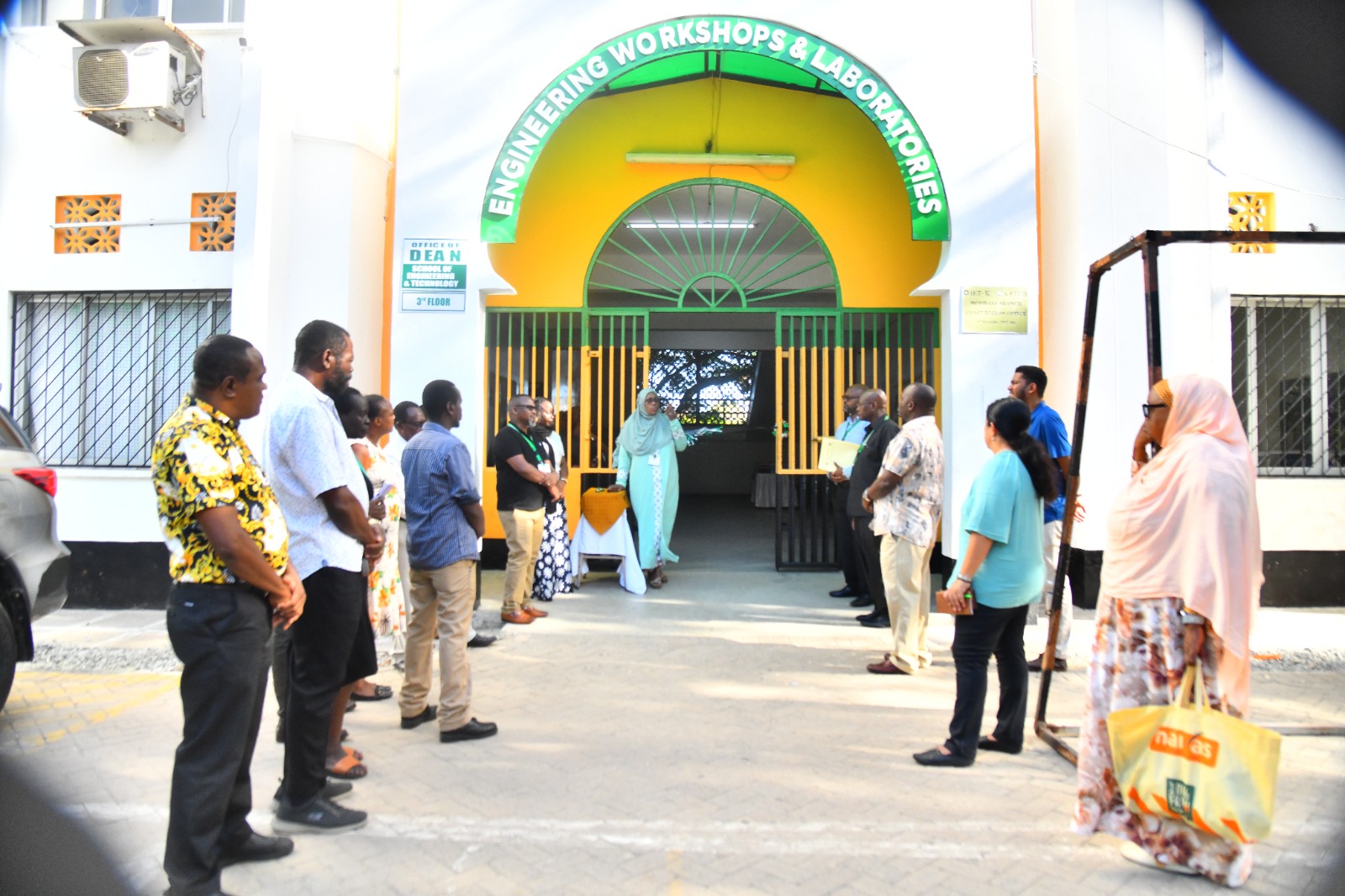

A major climate research project has been launched along the Indian Ocean aimed at boosting the Ocean’s natural ability to absorb carbon dioxide.
The project tests Ocean alkalinity enhancement, a technology that involves adding natural alkaline minerals to accelerate carbon dioxide absorption and examining how marine organisms especially planktons respond to adjusted alkalinity levels.
Ocean Alkalinity Enhancement (OAE) is a marine carbon dioxide removal technique that adds alkaline substances like limestone and olivine to the sea water.
This accelerates the natural, slow weathering process allowing the ocean to safely store billions tonnes of carbon dioxide as bicarbonate for more than 10,000 years while simultaneously combating acidification. The added alkaline materials neutralise dissolved carbon dioxide in the surface waters, creating a deficit that induces the ocean to absorb more carbon dioxide from the atmosphere to restore balance.
The study brings together Technical University of Mombasa (TUM), Geomar Helmholtz Centre for Ocean Research from German, Kenya Marine and Fisheries Research Institute (KMFRI) and Ocean Climate Innovation Hub Kenya. Scientists say the findings will help determine whether the technology is safe and to identify its potential to generate high value carbon credits.
The experiment is being done at the KMFRI laboratories in Mombasa.
Leila Kittu, a marine biochemist at Geomar Helmholtz Centre for Ocean Research, said the experiment is one among other 17 experiments, part of global inter-comparison project called Ocean Alkalinity Enhancement Pelagic Impact Intercomparison Project.
“Currently we are about 17 countries and all continents are actually covered and this experiment here in Kenya is the first experiment on Ocean alkalinity enhancement, aiming to understand what the environmental impacts are, once we add alkalinity into the ocean,” Kittu said.
The experiment started on Tuesday last week and is expected to last two weeks.
“Our alkalinity level is about 500 micromoles per kilogramme and this is a level that we project might not be so lethal for organisms. We are trying to understand what the threshold for this system is,” Kittu added.
KMFRI’s Dr Joseph Kamau said there is excess carbon dioxide in the atmosphere leading to the global warming phenomenon.
“Even if the world stops emitting carbon dioxide, we still have a problem. So the exercise that we are doing is actually coming up with a solution to remove carbon dioxide from the atmosphere so that we can mitigate the impact of climate change”, Dr Kamau stated.
Dr Mariam Swaleh, an assistant registrar Partnership, Research and Innovation at TUM who also doubles as the Ocean Climate Innovation Hub Kenya representative said the research is very important as the impact of climate change in our ecosystems and the world at large are visible, there is need to find ways to remove a major pollutant which is carbon dioxide.
“People forget that the ocean itself is a resource and the ocean can be used for carbon dioxide removal from the atmosphere. That is the purpose of this experiment which we want to do together with our colleagues from the University of Tasmania, Geomar and our partners here in Kenya KMFRI. The scientists will be looking at the phytochemical communities and how they will be impacted if the alkalinity of the ocean is changed,” Dr Swaleh explained.
Masters’ students at TUM are participating in the research which culminates in manuscript preparation and production as well as preparation of their thesis.
Dr Ali Shee, director TUM Kwale campus and a chemist at the school of Pure and Applied Sciences at TUM, said carbon dioxide is the major contributor to global warming. Its removal from the Ocean is meant to minimize global warming to less than 1.5 degree Celsius.
Removal of carbon dioxide from the atmosphere can be done in various ways. These include the terrestrial environment where the common afforestation is done so that the trees can absorb carbon dioxide from the environment. There is also direct air capture where carbon dioxide is sucked from the atmosphere and stored underground through various absorbents, then it is removed and stored underground.
“Another option, which we at TUM are interested in because we are the only university at sea level, is to look at how to use carbon dioxide removal techniques using the resource we have and that is the ocean. As you know the ocean is more than 75 percent of the earth and we can use this vast resource both for economic activities as well as for fighting climate change, Dr Shee said.
Normally in Kenya the pH is about 8. The pH scale (0-14) measures the acidity or alkalinity of a solution based on the hydrogen ion concentration. A pH of seven is neutral (pure water), below seven is acidic, while above seven is alkaline.