Dr Kevin Tole, Director of the Institute of Computing and Informatics (ICI) at the Technical University of Mombasa (TUM), was among the experts who attended a special event in Nairobi to prepare for the premier global environmental conference (COP31).
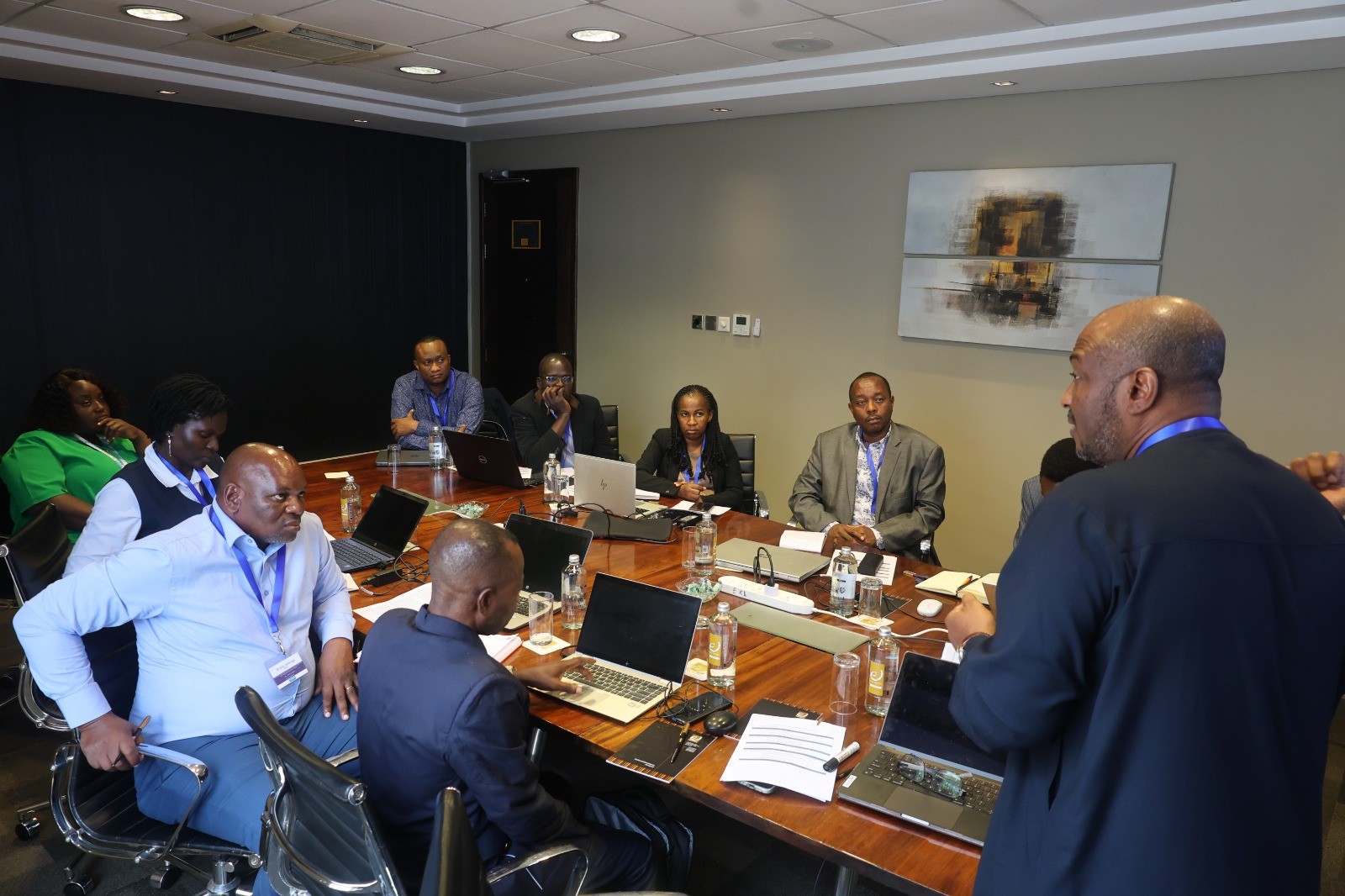
The pre-COP31 African Group of Negotiators Experts Support (AGNES) strategy meeting was held on October 8 and 9, 2026 in Nairobi.
It brought together African climate negotiators, researchers and experts to exchange ideas and deliberate on key climate change issues ahead of the 31st Conference of the Parties (COP31). Discussions focused on critical areas, including climate adaptation, climate finance, food security, gender equality and ocean resilience.
Dr Tole’s participation provided an opportunity to engage with experts from different fields on emerging approaches to addressing climate change challenges across the African continent. His involvement also highlighted the potential contribution of computing, Artificial Intelligence (AI) and climate prediction technologies to climate action and sustainable development.
As a researcher at TUM, Dr Tole expressed particular interest in exploring how Artificial Intelligence (AI) and climate prediction can be leveraged to develop practical solutions to challenges facing coastal communities.
"Such technologies have the potential to strengthen climate risk assessment, support early warning systems and inform decision-making on climate adaptation and resilience," Dr Tole said.
The discussions were particularly relevant to the coastal region, where communities face climate-related threats that affect livelihoods, food security and marine ecosystems. Integrating technological innovation with climate research could help advance evidence-based interventions and strengthen the resilience of these communities.
Dr Tole expressed appreciation to AGNES, Dr George Wamukoya and the meeting's partners for the invitation and the opportunity to contribute to the discussions. He also underscored the importance of continued collaboration in developing practical solutions towards a climate-resilient Africa.
His participation also reflects the importance of interdisciplinary research and partnerships in addressing climate change, while creating opportunities for TUM to contribute its expertise in computing, AI and technological innovation to climate action and the sustainable development of coastal communities.
The engagement further underscores the role of universities and research institutions in connecting scientific knowledge, technological advancement and policy discussions to support Africa's climate resilience agenda.