By: Mariam Kidhangi
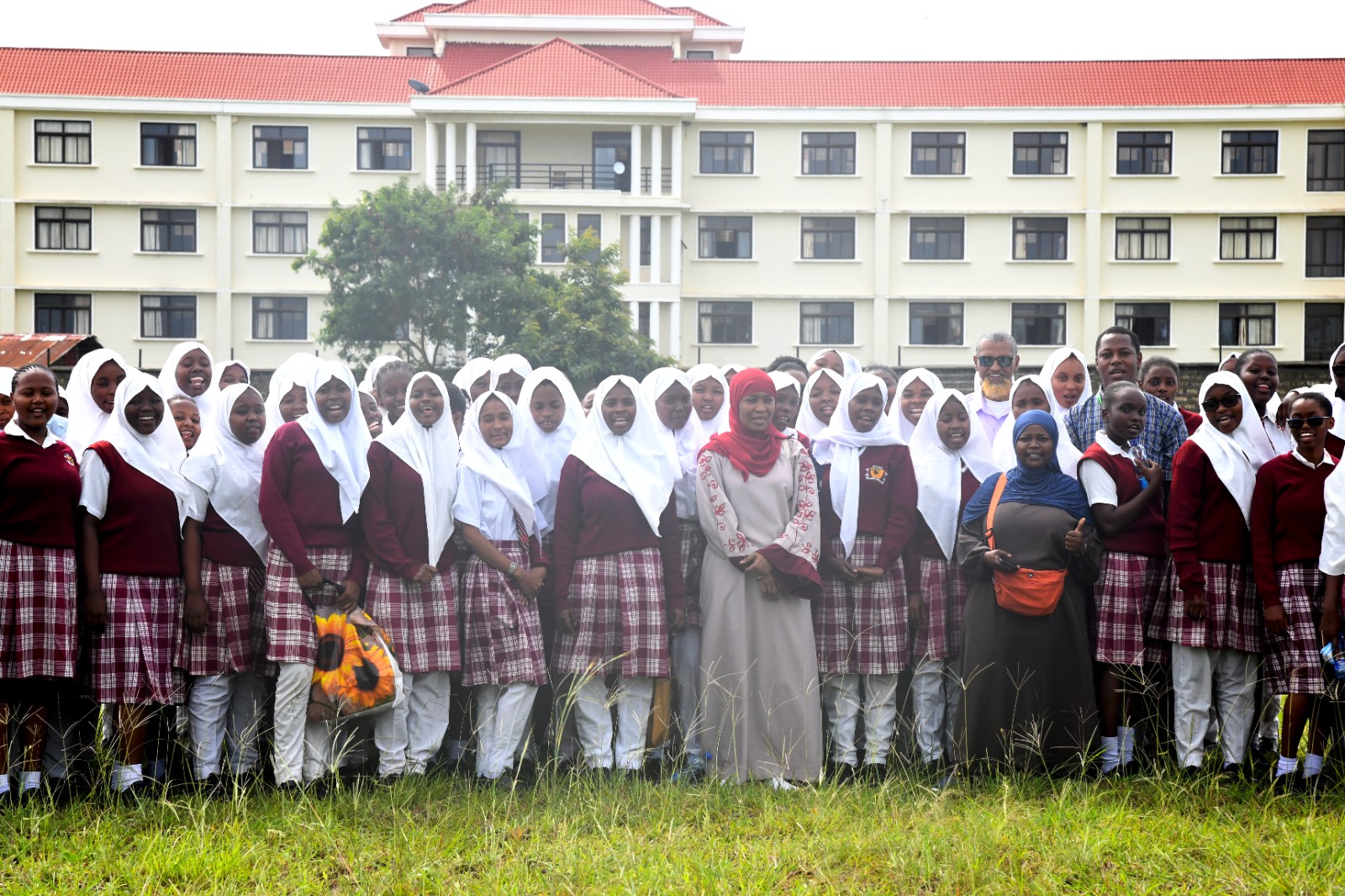
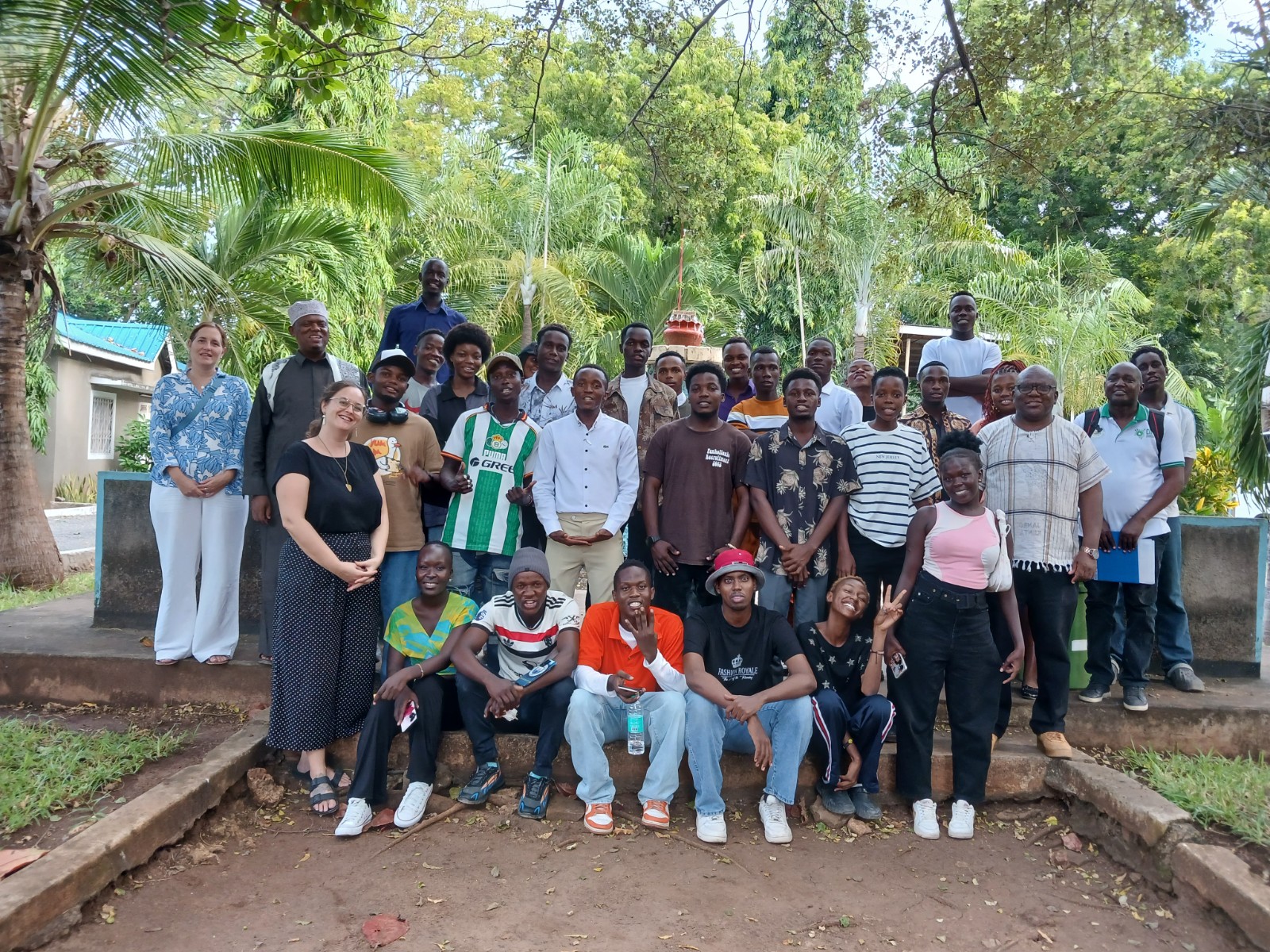
Students from the Bachelor of Arts in Conflict and Security Studies programme at Technical University of Mombasa recently participated in an educational trip to Malindi focused on peacebuilding, interfaith dialogue, and cultural understanding.
The engagement, organized by the Department of Social Sciences through the Centre for Religion, Conflict and Peacebuilding in collaboration (CRCP) with the Centre for Interreligious Dialogue and Ecumenism (CIRDE), brought together Year One and Year Two students for interactive learning sessions held on 22nd and 23rd May. The students were accompanied by Mr Rophus Mwakideu from the Social Sciences Department and Ms Annica Baum, a lead officer at CRCP.
Speaking during the forum, Bishop Willybard Lagho emphasized the importance of justice, inclusion, and indigenous rights in promoting sustainable peace within communities. He noted that meaningful peacebuilding can only thrive where people feel respected, heard, and treated fairly.
The bishop also cautioned young people against the dangers of misinformation, urging them to adopt an “information diet” and be mindful of the influence online content has on social attitudes, stereotypes and beliefs about other cultures and religions.
Meanwhile, Chiara Gallarine from CIRDE highlighted challenges such as suspicion, marginalization, violence, radicalization, and prejudice, noting that these continue to threaten peaceful coexistence. Drawing from the biblical teaching, “Blessed are the peacemakers, for they shall be called children of God,” she encouraged students to become ambassadors of peace within their communities.
Richard Mutinda outlined CIRDE’s role in advancing interfaith dialogue and ecumenical engagement as a pathway toward unity and mutual understanding among people of different faiths.
The discussions also provided students with an opportunity to reflect on the role of young people in promoting social cohesion, countering extremism, and advancing dialogue-driven approaches to conflict prevention.
Cultural and religious leaders further shared perspectives on indigenous traditions and their relationship with peacebuilding. Emmanuel Mumanya, popularly known as “Gohu,” explained the history of the Kayas and their significance within the Mijikenda community. He noted that misconceptions linking traditional beliefs to witchcraft have contributed to stigma and violence against elderly people, calling for greater cultural awareness and understanding.
On his part, Sheikh Farhan Mohamed from the Council of Imams, emphasized the importance of interfaith relations in fostering harmony among communities. Addressing concerns around online hate speech and religious intolerance, he referenced Quran 29:6, noting that believers are discouraged from engaging in unnecessary arguments, a principle that promotes peaceful coexistence and mutual respect.
The students also engaged with representatives from the Malindi District Cultural Association (MADCA) where Co-founder and Programs Officer Stan Kiraga shared the organization’s work in cultural preservation, peacebuilding, and social justice within coastal communities.
As part of the experience, participants explored Mijikenda cultural heritage, learning about the structure of the traditional kayas, the traditional religion and its history, indigenous prayer practices, leadership hierachy, and the community’s traditional calendar system.
The educational trip reinforced the importance of dialogue, justice, and cultural understanding in building peaceful societies, while equipping students with practical insights on the role young people can play in advancing tolerance, coexistence, and sustainable peace within diverse communities.