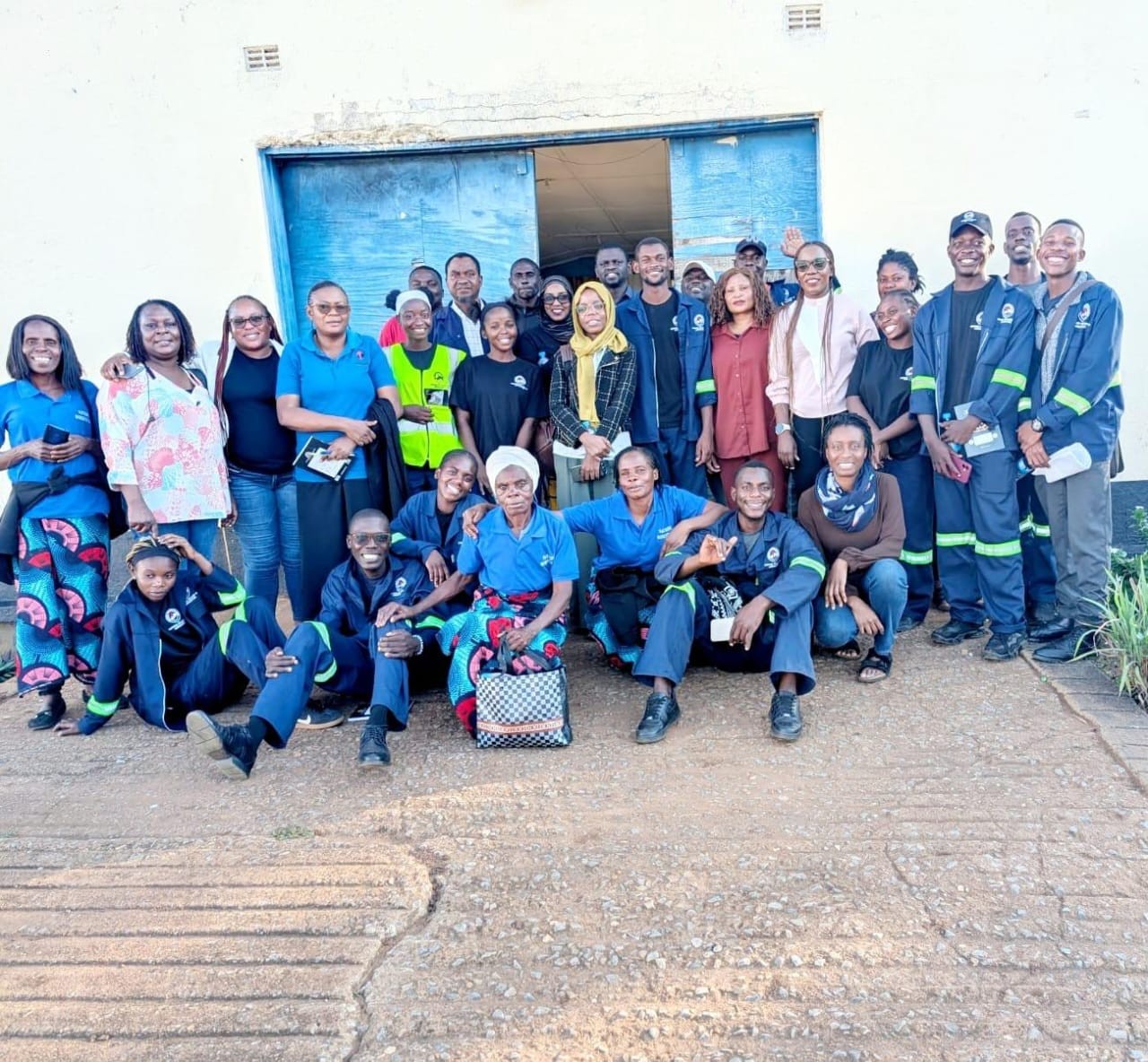
A delegation from the Technical University of Mombasa (TUM) recently participated in a Co-Design Workshop in Zambia under the Clean Energy for Rural Africa with Service Innovation and Digital Twins (CREDiT) Project. The TUM team attended the workshop as facilitators and comprised Dr. Lawrence Mukhongo, Muzny Ahmed, Aggrey Shitsukane, and Dr. Damaris Monari.
The CREDiT Project is a collaborative research and capacity-building initiative implemented across Kenya (TUM & COMRED), Malawi, and Zambia, with funding support from the University of York (UK). The project seeks to transform how renewable energy solutions, particularly solar technologies, are identified, designed, and governed within agricultural colleges and their surrounding communities. Central to the CREDiT approach is the conviction that sustainable energy solutions must be rooted in the lived experiences, priorities, and cultural contexts of the communities they are intended to serve.
The Zambia Co-Design Workshop formed a critical component of the project’s community engagement and knowledge co-creation strategy. It brought together facilitators from the three partner countries alongside a wide range of stakeholders from Chipembi College of Agriculture and the surrounding community. The workshop was designed to model an inclusive and collaborative decision-making process that places community voices at the centre of energy planning and governance.
Following this focus, the workshop comprised preparatory sessions for facilitators alongside inclusive co-design engagements with institutional and community stakeholders, aimed at ensuring methodological consistency across Kenya, Malawi, and Zambia. These sessions emphasized participatory engagement, power-sensitive facilitation, and the application of the SHTEPS framework, which considers Social, Health, Technological, Environmental, Political, Financial, and Sustainability dimensions in energy planning.
The Co-Design Workshop aimed to strengthen facilitator capacity for participatory co-design, engage institutional and community stakeholders in assessing energy needs, governance structures, and power relations, support the collaborative design of solar energy solutions using the SHTEPS approach, and identify sustainable governance pathways for long-term energy deployment.
The workshop not only met its intended objectives but also strengthened institutional-community relationships, positioning Chipembi College of Agriculture as a key partner in sustainable energy innovation.
Through its participation, TUM reaffirmed its commitment to collaborative research, community-driven development, and the advancement of sustainable energy solutions in the region.