Bachelor of Science in Information Technology
Bachelor of Science in Information Technology
Overview
The Bachelor of Science in Information Technology (BSIT) program at the Technical University of Mombasa is designed to equip students with the theoretical knowledge, practical skills, and professional competencies required to manage, develop, implement, and evaluate information technology systems.
The program focuses on how information technology can support organizational operations, improve business processes, and address technological challenges. Students gain knowledge in areas such as computer systems, programming, database management, networking, cybersecurity, systems analysis and design, artificial intelligence, mobile computing, cloud computing, and IT governance.
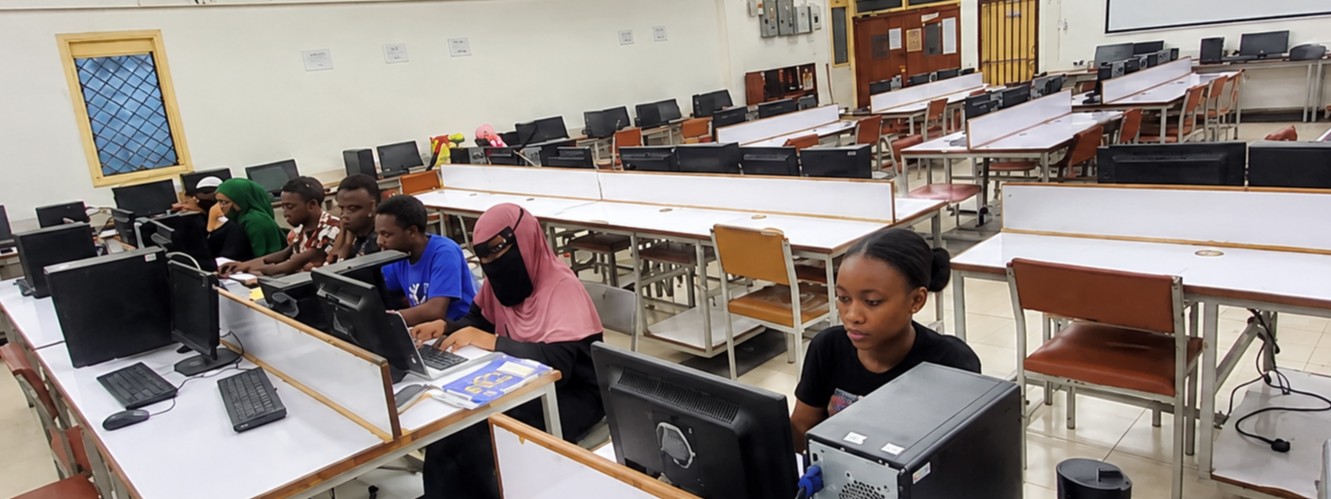
The program is offered over four academic years, comprising eight semesters. It includes coursework, practical laboratory sessions, industrial attachment, and a final-year project.
Admission Requirements
Applicants seeking admission to the Bachelor of Science in Information Technology program must meet any of the following minimum requirements:
A candidate must meet the University’s minimum admission requirements, including a KCSE aggregate mean grade of C+ (C Plus), and attain the following minimum subject grades. Mathematics C (Plain), Physics or Physical Sciences C (Plain), and English/Kiswahili C (Plain). Alternatively, a candidate may have a minimum of two principal passes in science subjects in the Kenya Advanced Certificate of Education (KACE), specifically Mathematics and Physics.
OR
A candidate must hold a KNEC Diploma or its equivalent in Information Technology or Computer Studies from an institution recognized by the University Senate. Candidates admitted through this route are admitted into the first year of study. Possession of the minimum requirements does not guarantee automatic admission to the programme.
Expected Learning Outcomes
By the end of the program, graduates should be able to:
- Explain basic principles in humanities, business, and applied sciences.
- Demonstrate knowledge and skills in the field of Information Technology.
- Apply social, legal, and ethical principles in Information Technology.
- Develop Information Technology solutions for organizations.
- Evaluate IT solutions to select the most appropriate solutions for organizations.
Career Prospects
Graduates of the Bachelor of Science in Information Technology programme may pursue careers in various sectors, including government institutions, private companies, financial institutions, telecommunications, technology firms, educational institutions, and organizations that rely on information technology.
Potential career opportunities include:
- IT Support Specialist
- IT Systems Analyst
- Software Developer
- Web Developer
- Database Administrator
- Network Administrator
- Cybersecurity Specialist
- Data Analyst
- IT Project Officer / IT Project Manager
- IT Consultant
 Certificate
 in Information Communication Technology and Computer Maintenance
Computer Science and Information Technology
 Diploma
Computer Science Technologist Level 6
Computer Science and Information Technology