General 22 Oct 2026 LUBNAH ABDULHALIM
TUM hosts opening of 9th Mombasa International OSH Conference
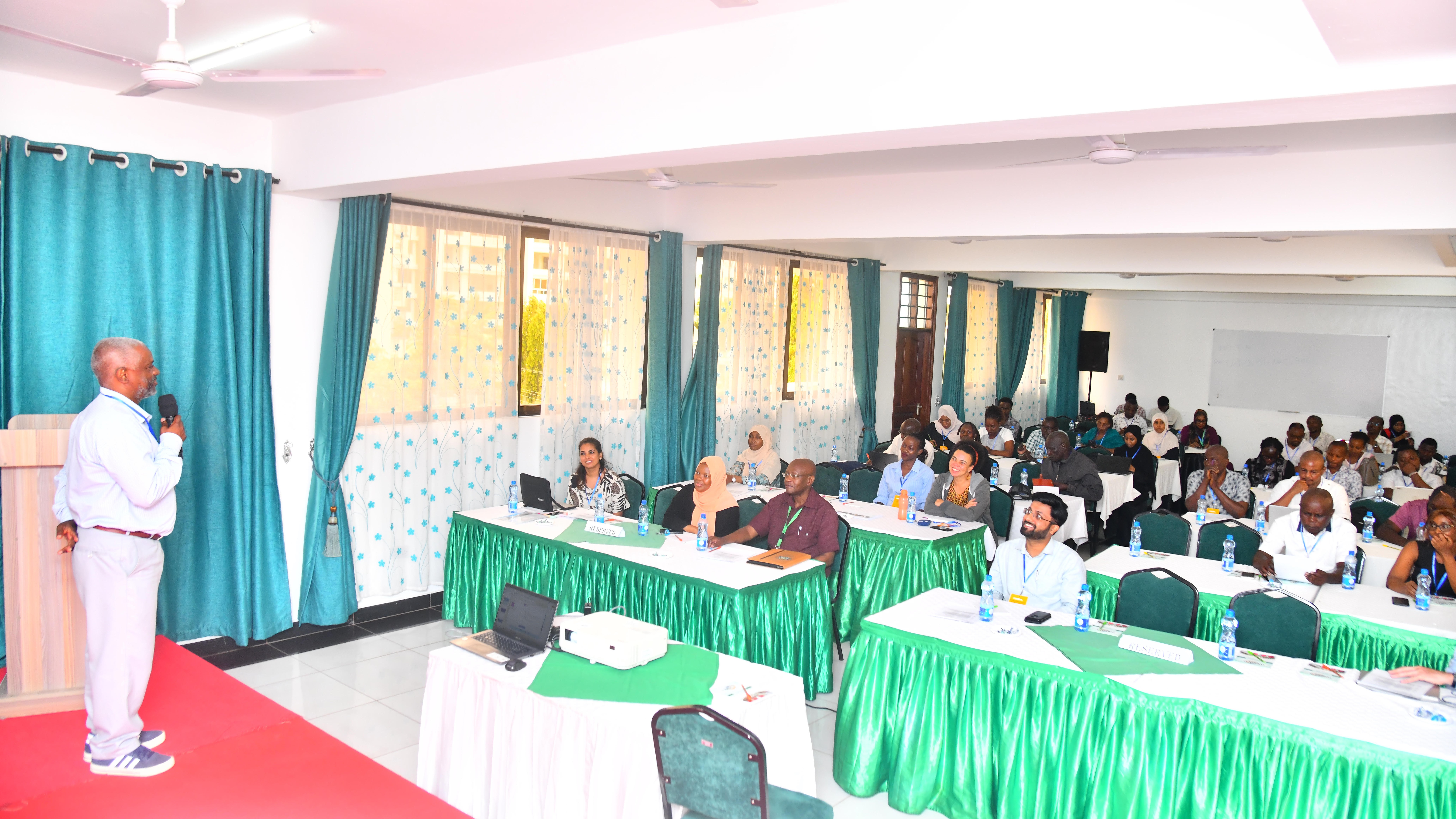
On 21st October, the Technical University of Mombasa (TUM), in collaboration with OSHPRO Services, hosted the opening day of the 9th Mombasa Annual International Occupational Safety and Health (OSH) Conference 2026, bringing together occupational health and safety professionals, government representatives, researchers and industry stakeholders to explore emerging trends in workplace health and safety.
Held under the theme “Future Perspective in Occupational Health Promotion,” the conference provides a platform for sharing knowledge, research and practical approaches to improving occupational health and safety in Kenya and beyond. The conference has brought together delegates from Kenya, South Africa, Norway, the United Kingdom, the United States, Nigeria and India, among other countries.
Representing TUM Vice-Chancellor Prof. Laila Abubakar, Deputy Vice-Chancellor, Academic, Research and Extension, Prof. Peter Gichangi, welcomed the delegates and reaffirmed the university’s commitment to advancing knowledge, research and innovation to address contemporary workplace challenges.
Prof. Gichangi emphasised the importance of strengthening occupational safety and health education and awareness, promoting evidence-based practice, and fostering collaboration among universities, government, industry and professional bodies. He also highlighted the need for inclusive and equitable workplace safety measures that protect all workers, including those in vulnerable and informal employment settings. He further underscored the role of universities in bridging academic knowledge and workplace practice through partnerships with industry and other stakeholders.
Mr Abdulqadir Mohammed of OSHPRO Services highlighted the use of artificial intelligence (AI) as one of the emerging trends in occupational safety and health being explored at this year’s conference. He explained that AI-powered technologies can help monitor workers’ activities and their interactions with their surroundings, using data from measurement instruments to better understand workplace conditions and identify potential hazards. This can support the prediction of possible safety incidents, improve risk assessment and enable organisations to take preventive measures to mitigate workplace risks.
Other key areas being addressed at the conference include environmental, social and governance (ESG) considerations and psychosocial risks in the workplace, particularly harassment, bullying and unwanted sexual attention. These issues highlight the need for a comprehensive approach to workplace safety that considers both physical and psychosocial well-being.
The conference also highlighted the importance of strengthening professional networks among occupational health practitioners to facilitate knowledge-sharing, identify emerging challenges and support preventive approaches.
By bringing together local and international practitioners, academia, government and industry, the conference seeks to strengthen collaboration and advance practical strategies for creating safer, healthier and more inclusive workplaces.
The conference continues until 23 October, with further opportunities for delegates to exchange experiences and explore solutions to emerging occupational safety and health challenges.